Seasonal Deck Preparation: Prepare Your Outdoor Area for Every Season
Seasonal deck preparation is crucial for sustaining an inviting outdoor space. Every season brings distinct challenges and possibilities for improvement. From spring refreshes and summer enhancements to autumn evaluations and winter preparation, careful attention guarantees longevity and comfort. Applying these techniques can convert a deck into a multifunctional outdoor haven. As the weather changes, deck maintenance strategies should evolve accordingly. What are the best practices for each phase?
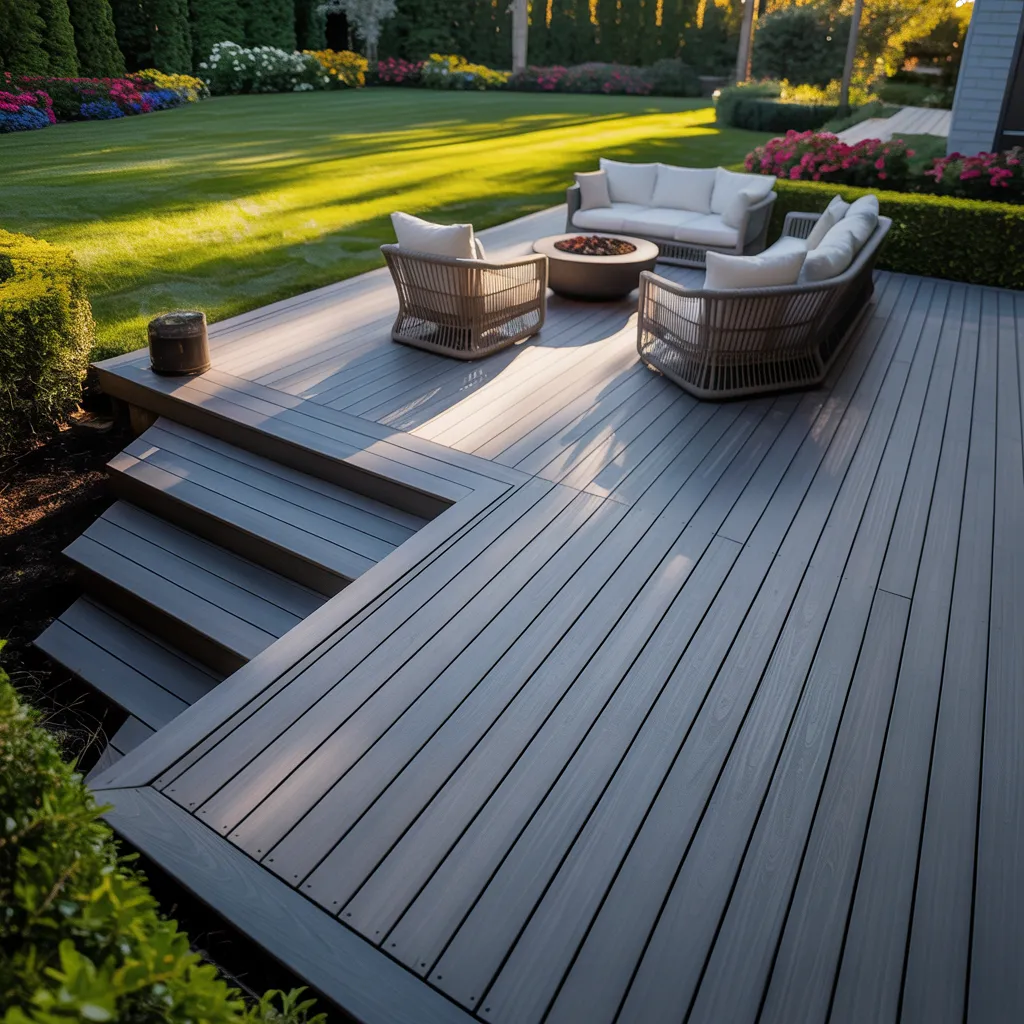
Spring Deck Preparation: Cleaning and Maintenance Tips
As the seasons change, property owners can rejuvenate their outdoor living spaces with essential spring deck maintenance. This essential process begins with a thorough cleaning to clear away dirt, leaves, and debris gathered during the winter months. A light power wash can successfully restore the deck's overall surface, while a soft-bristle brush can help eliminate stubborn stains.
Additionally, homeowners should check the deck for any signs of damage, such as loose boards, cracks, or rusted hardware. Addressing these issues early can stop larger issues from developing over time. Applying a wood preservative or sealant is vital for protecting against moisture and UV damage, guaranteeing the deck stays in excellent condition for the entire season.
As a final step, removing clutter and arranging furniture will produce a comfortable environment, paving the way for rewarding outdoor gatherings. Proper spring maintenance can improve both the appearance and durability of the deck, making it a valuable asset for the home.
Summer Deck Design: Creating a Comfortable Outdoor Living Space
Transforming a deck into a comfortable exterior living area requires intentional planning and design. Important features consist of inviting seating options, such as durable outdoor sofas and lounge chairs, which encourage leisure and conversation. Incorporating textile layers, like bold cushions and throws, enhances both comfort and visual appeal.
Introducing botanical accents through hanging baskets or potted plants enlivens the environment, complementing the organic atmosphere. Outside area rugs can define sitting zones, providing comfort underfoot and a feeling of unity.
To create an inviting atmosphere, soft lighting, such as lanterns or string lights, can make the space functional well into the night. Additionally, incorporating a compact dining setup makes room for outdoor dining experiences, making the deck a perfect spot for entertaining.
Autumn Deck Inspections: Getting Your Deck Ready for Winter
As summer entertaining see this comes to a close, attention turns to maintaining the deck in preparation for winter. Autumn deck inspections are essential for preserving the lifespan and safety of exterior structures. Residents should commence by checking the deck for indications of wear and aging, such as unstable planks, exposed nails, and flaking coatings. Addressing these issues promptly can prevent more extensive damage during harsh winter conditions.
Furthermore, it is essential to clear the deck of debris such as leaves and dirt, which can hold moisture and result in rot or mold. Checking the integrity of railings and stairs is also essential, as these features must remain secure for safety.
Finally, deck owners should examine any furniture or accessories on the deck, deciding which pieces to protect or store during the colder months. A detailed maintenance and inspection routine will ensure the deck continues to be in top condition when spring arrives.
Winterizing Your Deck for Cold Weather
Getting a deck ready for winter is crucial for protecting its structure and extending its lifespan. Homeowners should start by giving the deck a thorough cleaning, clearing away debris like leaves and dirt that can retain moisture and cause deterioration. Once cleaning is complete, it is essential to examine the deck for loose boards or compromised areas; these should be addressed to avoid additional damage throughout the winter months.
Additionally, utilizing a top-grade sealant can protect the wood from moisture penetration and freezing temperatures. For composite decks, a basic cleaning with an appropriate cleaner is sufficient. Moreover, it is wise to place any outdoor furniture and accessories indoors to avoid damage caused by snow or ice. Finally, using a breathable tarp to cover the deck can offer extra protection while allowing moisture to escape. Adequate winterization confirms that the deck maintains its functionality and appearance when the warmer season returns.
Deck Accessories for Seasonal Comfort
Enhancing outdoor enjoyment year-round demands careful consideration of deck accessories that provide comfort and functionality. Important furnishings can change a deck into a warm refuge, no matter the weather conditions. During colder seasons, durable outdoor heaters or fire pits create a warm atmosphere, permitting prolonged use of the outdoor area. Multiple textile layers, including weather-resistant cushions and blankets, offer comfort while shielding against the cold.
During warmer months, shade solutions like pergolas or umbrellas are crucial for user comfort, protecting users from harsh sunlight. Area rugs can establish boundaries and introduce vibrant color, creating a welcoming atmosphere. Additionally, integrating ambient lighting elements, like lanterns or string lights, elevates the atmosphere once the sun goes down. For versatility, modular furniture allows for easy rearrangement to accommodate gatherings. By carefully selecting these accessories, individuals can be certain their outdoor space remains an enjoyable sanctuary year-round.
DIY Deck Transformations for Every Season
A range of DIY deck upgrades can considerably enhance the functionality and appeal of outdoor spaces throughout the year. Easy additions, like adding outdoor string lights, create a warm ambiance for nighttime entertaining, while built-in planters can bring in greenery and color, elevating the visual appeal. Using a fresh coat of weather-protective stain not only restores the deck's overall look but also shields the wood from environmental damage.
Incorporating seating arrangements, such as handmade benches or padded seating, can enhance comfort and promote relaxation. Additionally, creating a designated area for grills or fire pits allows for social interaction and year-round enjoyment. For those looking to customize their outdoor area, unique decorative elements, like themed artwork or painted signs, can reflect individual style. These enhancements collectively transform a deck into a flexible outdoor sanctuary, suited to handle diverse activities and changing seasons.
Ensuring Your Deck Stays Safe All Year Long
Preserving the structural integrity of a deck across all seasons calls for steady care and preventive measures. Periodic inspections are vital; homeowners should check for loose boards, splintering wood, or rusting metal fasteners. Tackling these concerns in a timely manner can reduce the risk of accidents.
In the winter season, snow and ice can pose hazards. Shoveling snow and spreading ice melt can reduce the risk of slips and falls. Additionally, guaranteeing proper drainage around the deck will help avoid water accumulation that can lead to rot.
Throughout the warmer season, UV rays can degrade materials. Homeowners are advised to apply UV-resistant sealants to shield the deck from fading and damage.
Lastly, maintaining a debris-free surrounding area and securing proper lighting can improve safety during use in the evening. By following these practices, homeowners are able to ensure their deck continues to be a secure and pleasant space across all seasons.

Common Questions and Answers
What Materials Are Best for a Year-Round Durable Deck?
Hardwoods like teak or mahogany, composite decking, and pressure-treated lumber are among the best options for long-term durability. These materials resist weathering, insects, and decay, ensuring a long-lasting deck that withstands various seasonal conditions throughout the year.
How Often Should I Re-Stain My Deck?
Decks generally need to be re-stained every two to three years, depending on factors such as climate, wood type, and exposure to sunlight. Routine upkeep ensures durability and improves the deck's appearance over time.
Can a Deck Be Installed in Winter?
Yes, a deck can be built in winter, as long as temperatures are kept above freezing and materials are adequately protected from dampness. Proper precautions confirm the installation proceeds smoothly despite the frigid weather conditions.
Which Plants Flourish on My Deck Throughout the Seasons?
During spring, petunias and pansies flourish; summer welcomes vibrant geraniums and fuchsias; fall features chrysanthemums and ornamental kale; winter, while demanding, is able to accommodate robust evergreens or festive decorations to provide charm during the colder months.
How Do I Prevent Pests on My Deck Year-Round?
To avoid pest problems on the deck all year long, one should regularly clean debris, seal gaps, and apply natural pest repellents. Additionally, maintaining plants properly and providing proper water drainage can greatly reduce pest infestations in exterior living areas.